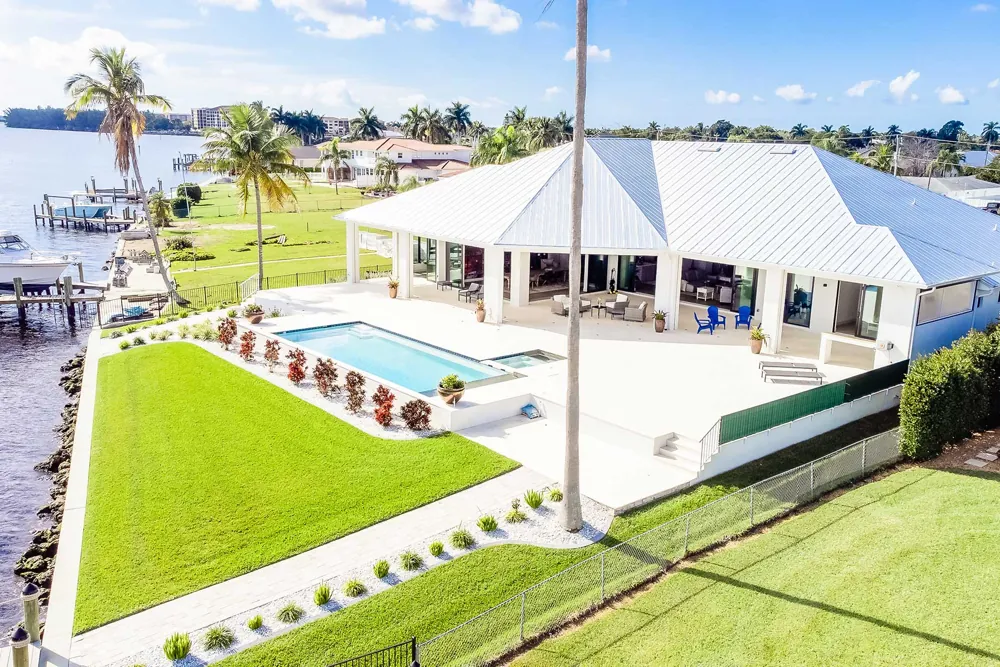
If you’re searching for new construction homes in Cape Coral, there’s a good chance you’re past the dreaming stage. You’re ready to take action. Maybe you’ve visited the area, compared neighborhoods, or decided Cape Coral is the right place to build your next home. Now you want a clear path forward—how to choose a community, how to select a lot, what customization looks like, and what happens next once you decide to build.
This guide is built for ready buyers. It walks you through the full process of getting started with new construction in Cape Coral, from touring neighborhoods and model homes to timelines, selections, and the first steps to schedule a consultation. If you’re looking for a Cape Coral new home builder or comparing new home builders in Cape Coral FL, you’ll find the structure and clarity you need to move forward with confidence.
Why Cape Coral Is One of the Best Places to Build in Southwest Florida
Cape Coral appeals to buyers because it offers a blend of laid-back coastal living and everyday convenience. You can enjoy boating, beaches nearby, and warm weather, while still staying connected to dining, shopping, healthcare, and travel routes. For many homeowners, it’s the balance that makes Cape Coral feel like the right fit—enough lifestyle to feel special, enough practicality to feel easy.
New construction adds another layer of appeal. Instead of inheriting someone else’s layout, materials, and maintenance history, you get a home built for the way people live now. Open gathering spaces, indoor-outdoor living connections, modern systems, and a clean starting point all make new construction a compelling choice—especially for buyers relocating, purchasing a second home, or planning a long-term move.
Step One: Tour Communities and Model Homes Before You Commit
Before you select a lot or finalize a plan, the fastest way to gain confidence is to tour. Walking through a model home helps you understand what photos can’t: how the layout flows, how finishes look in real light, and what build quality feels like up close. Touring model homes in Cape Coral FL also gives you a better foundation for customization discussions, because you can point to what you like and what you’d change instead of trying to describe it from memory.
Community tours matter just as much. As you drive through neighborhoods, pay attention to how the community feels, how homes are positioned on lots, the look of streetscapes, and how close you are to the places you’ll visit regularly. Even a beautifully designed home can feel wrong if the location doesn’t match your lifestyle.
If you want to move efficiently, tours are the best first step. They turn your options from “maybe” into “yes,” and they help you choose a direction without second-guessing.
Step Two: Choose the Right Lot for Your Lifestyle
Selecting a lot is one of the most important decisions you’ll make, and it’s about more than size. Think about how you want your home to sit on the site and how you plan to live in it.
Consider privacy, sun exposure, and how you’ll use outdoor living space. A lanai and backyard experience can feel completely different depending on lot orientation and neighboring home placement. Think about your day-to-day rhythms too. Do you want quiet streets? Easy access in and out of the community? Proximity to parks, boat ramps, or marinas?
A good builder and team will help you understand which lots fit your priorities and what design options make the most sense on your chosen site. The goal is to match the lot to the home so the final result feels intentional, not accidental.
Step Three: Select a Plan That Fits How You Actually Live
The right floor plan isn’t the one with the most rooms. It’s the one that supports your life. New construction homes in Cape Coral often include a range of layouts, from open concept great rooms to plans that include flexible spaces for work, guests, or hobbies.
As you evaluate plans, focus on flow. Consider how you enter the home, where you’ll spend the most time, how the kitchen works as a real workspace, and whether the primary suite feels private. Think about storage, laundry placement, and how guests will move through the home. For second-home buyers, think about lock-and-leave simplicity and how easily the home will function when you arrive after travel.
Touring model homes helps here because it shows you what a plan feels like on a real scale. A plan can look perfect on paper and feel different in person, especially when it comes to natural light, ceiling height, and indoor-outdoor connections.
Step Four: Customization—Making the Home Feel Like Yours
One of the biggest advantages of new construction is the ability to personalize your home from the beginning. Customization can range from design selections to structural options, depending on the community, the plan, and when you enter the process.
Design selections often include flooring, cabinetry, countertops, tile, fixtures, hardware, and lighting. These choices shape the style of the home and the way it feels day to day. Structural options may include expanded lanais, upgraded sliding door configurations, kitchen layout enhancements, and other plan adjustments that improve function and comfort.
The key is to customize with intention. The goal isn’t to upgrade everything. The goal is to choose the features that matter most to your lifestyle and the look you want. A well-guided process makes this easier, because you can prioritize the decisions that have the biggest impact and avoid spending on changes you won’t feel later.
Step Five: Understand the Timeline and What Impacts It
One of the most common questions about new construction is timeline. How long does it take to build? The answer depends on the complexity of the home, the permitting process, material selections, and overall project coordination.
The best way to think about a timeline is in phases. First comes design and planning, including lot selection and plan finalization. Then comes permitting and site preparation. After that, construction begins and moves through framing, mechanicals, finishes, and final details.
Certain choices can affect timing. Highly customized selections, specialty materials, or changes made late in the process can extend the timeline. The smoother path is to make key decisions early and work with a builder who communicates clearly and keeps the project organized.
If timing matters for a relocation date or seasonal living schedule, it’s worth discussing that early so expectations and planning stay aligned.
Step Six: Next Steps—From Interest to a Real Plan
Once you’ve toured communities, selected a direction, and started imagining your home in a specific place, the next step is a consultation. This is where you move from general research into real planning. You’ll discuss lifestyle needs, plan options, customization priorities, timelines, and what it looks like to build in Cape Coral from start to finish.
If you’re comparing new home builders in Cape Coral FL, this is also the moment to evaluate communication style and planning clarity. A builder should be able to explain the process in a way that feels organized and transparent, and you should leave the conversation with a sense of what happens next and how decisions will be made.
For many buyers, scheduling a tour and consultation is the turning point that transforms a “someday” plan into an actual build timeline.
Start Today: Tour, Plan, and Build with Confidence in Cape Coral
If you’re ready to move forward with new construction homes in Cape Coral, the best next step is simple: schedule a tour and start a real planning conversation. Visiting model homes Cape Coral FL will help you choose the right plan and style, and touring communities will help you find the location that matches your lifestyle. From there, a consultation will turn your ideas into a clear process, with next steps you can act on immediately.
To get started, visit our Cape Coral builder page to explore options and schedule your tour. If you’re ready for a direct conversation about building, reach out to book a consultation and start planning your new home in Cape Coral today.